

Blood disorder association takes global mission to heart
ISTH cultivates diverse board makeup; U.S.-based staff rise in wee hours to accommodate overseas volunteer.
- January 13, 2025 |
-
 WILLIAM EHART
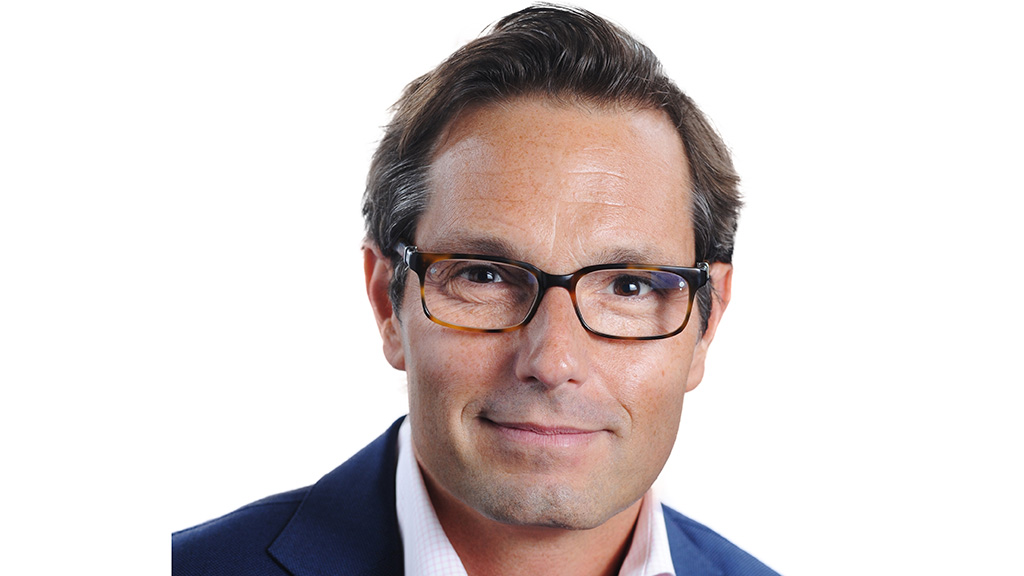
The International Society on Thrombosis and Haemostasis goes the extra mile to have global representation and impact.
Membership and volunteer leadership from countries of diverse medical infrastructure levels is woven into the fabric of the association, which is based in Carrboro, North Carolina, near Chapel Hill.
Medical professionals from low- or middle-income countries receive deeply discounted membership through ISTH’s Reach-The-World program and can apply for subsidized travel expenses. Travel to board meetings for volunteer leaders from such countries is sometimes subsidized on a case-by-case basis.
ISTH’s mission is to elevate the science and practice of medicine related to blood coagulation and its disorders, such as clotting and hemophilia. But that means different things in different countries. In developing or impoverished nations, the machines, medicine, physicians and medical protocols Americans take for granted are often not available.
“We work very closely with the local professionals,” ISTH Executive Director Tom Reiser, who is based in the Washington, D.C., area, told CEO Update. Reiser has led ISTH since 2011. “We are not always pushing the latest science or the latest technology but rather finding what is best for each country,” he said.
One of ISTH’s members is Dr. Henry Ddungu — one of only three hematologists in the entire country of Uganda.
“Those three have to deal with everything from malignant hematology to benign hematology,” Reiser said, referring to the full range of cancerous and noncancerous blood disorders. “We cannot even imagine.”
Diverse leadership
Still, Dr. Ddungu makes time to be involved in ISTH. He was on the steering committee for World Thrombosis Day — an event founded by ISTH — for several years. (Reiser is also executive director of World Thrombosis Day.)
ISTH has for at least the past 10 years required the inclusion of professionals from developing nations on its governing council, and the association ensures diversity on all committees, like its scientific and standardization panel, currently chaired by a researcher in Belgium.
“When we’re in these committee meetings, we’ll be talking about, ‘Let’s roll out this kind of program, let’s have all the hospitals do this,’” Reiser said.
“And someone like Henry Ddungu will say, ‘Our hospitals can’t do that. We don’t have the money for that. We don’t have that protocol in place,’” Reiser said. “It’s bad, but it shows why it’s so important to have a voice representing that country.”
“Our members feel an obligation to bring the best standard of care to different parts of the world,” he said. “We always want to say, ‘What’s the latest in science? What’s the latest in therapeutic approaches?’ But we often have companion documents that basically say, ‘But if you don’t have access to certain things, here are other things you can do.’”
Logistical challenges
With researchers and medical professionals coming from so many places, and meetings held all around the world, ISTH has its hands full dealing with everything from difficulty obtaining visas to declined credit cards to U.S. sanctions on certain countries. This takes significant staff time. The $13 million-revenue ISTH has 35 employees.
“One of our board members comes from a country where her credit card often is declined in other parts of the world, so we need to make sure that she has cash, and we look after her,” Reiser said. “Things that we take for granted, like hopping in an Uber, don’t work,” he said.
“The visa issue is a huge issue, so our team spends an enormous amount of time to work with embassies and gets letters together to make it easier for people to travel,” Reiser said. “That also costs money, but we just make sure that we provide that so that everyone can fully participate in the organization, and I think that’s very important.”
Having leadership based in 15 time zones throughout the world is another major challenge. Reiser prioritizes the needs of the volunteer leaders.
ISTH’s current governing council president is from Thailand; the previous president was from Italy and the president-elect is from Germany.
“As staff, we try as much as we can to accommodate everybody else,” Reiser said. “I get up at six in the morning to have a call with (the council president and president-elect) when we have our check-in calls. That’s our normal life.
“And it’s hard when you get the whole council together, because then you have some people who just have to get up in the middle of the night sometimes,” he said.
ISTH rotates committee meeting times so the videoconferences are at least sometimes convenient for people in each part of the world.
Global mindset
Reiser’s own background helps keep the association’s focus global: Raised and educated in Vienna, Reiser has dedicated his career almost exclusively to foreign or global medical societies.
Before joining ISTH, he led the International Society for Prosthetics and Orthotics. Other leadership roles include the International Liver Cancer Association and the International Society of Nephrology. He also has worked for association management companies Interel, MCI Group and Smithbucklin.
Reiser said any executive who has global interests and the willingness to succeed in international operations can do it.
“Maybe my background gives me a bit of a head start,” Reiser said. “Yes, in Austria we are surrounded by eight other countries and there’s constantly different cultures everywhere. But it really depends (on each executive). I know Austrians who only want to speak German.”